INTRODUCTION
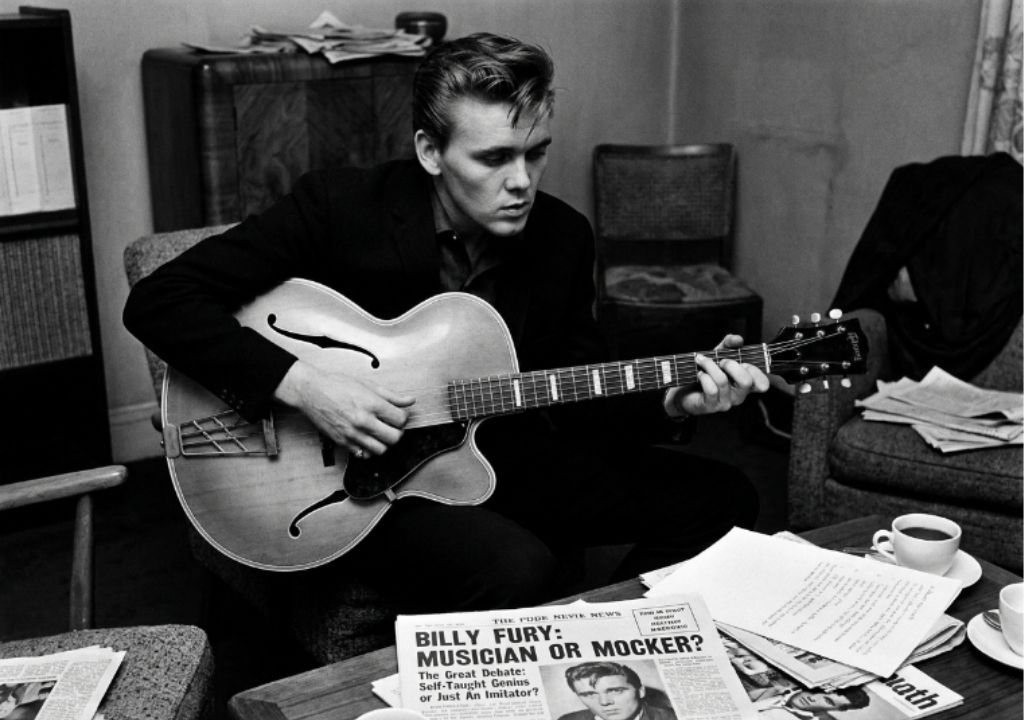
In the smoke-filled backstage rooms of 1950s British pop, image often eclipsed substance. When impresario Larry Parnes discovered a frail, handsome Liverpool youth named Ronald Wycherley, he instantly manufactured the smoldering persona of Billy Fury. Critics immediately pigeonholed him as another disposable, handsome mimic designed to incite teenage hysteria rather than contribute to musical history. For decades, traditionalists argued that this quintessential teen idol lacked the technical discipline to play instruments, viewing his stage movements as mere imitation of American rockabilly icons. However, beneath the carefully polished veneer of the leather-jacketed heartthrob lay a deeply intuitive musical mind that defied the strict artistic limitations imposed by the mid-century entertainment industry. The persistent debate over his technical competence misses a profound truth about the nature of early rock lineage, where raw creative instinct frequently superseded formal conservatory training.
THE DETAILED STORY
The definitive rebuttal to the copycat narrative arrived in April 1960 with the landmark release of The Sound of Fury. Unlike his contemporary peers who relied entirely on professional Tin Pan Alley tunesmiths, the young artist took the unprecedented step of authoring all ten tracks on the LP. Recording sessions at Decca Studios featured his distinct rhythm guitar work, collaborating seamlessly with legendary guitarist Joe Brown. While critics claimed he possessed limited chord knowledge, archival studio sessions confirm he utilized a unique, self-taught chordal structure on both the acoustic guitar and piano to dictate complex melodies directly to professional arrangers. His intuitive grasp of the rockabilly idiom allowed him to craft intricate, moody arrangements that rivaled standard American imports, proving his instrumental engagement went far beyond mere performance artifice. Furthermore, modern retrospectives highlight that his innate understanding of rhythmic structures allowed him to guide studio musicians with precision, ensuring that each track maintained his signature visceral energy.
Industry consensus has shifted drastically over the decades, acknowledging that his ability to compose hit records like “Colette” without formal notation skills represents genuine artistic innovation rather than derivative imitation. Musicologists frequently compare his raw, natural ear to subsequent self-taught visionaries who reshaped the global pop landscape. His reliance on primitive guitar chord patterns was never a sign of incompetence, but rather the very source of the sparse, haunting sonic signature that defined his peak era. By the time his singles achieved major financial success, commanding substantial royalties in the competitive UK market, the artificial distinction between a trained instrumentalist and a natural composer became completely obsolete. The enduring legacy of this British icon remains secure not because he mastered classical conservatory techniques, but because he successfully harnessed the basic physical elements of his instruments to pioneer an authentic rock identity. Ultimately, the historical record validates his role as a foundational creator whose primitive technical skill was amplified by an extraordinary, innate sense of melody and rhythm.