Introduction
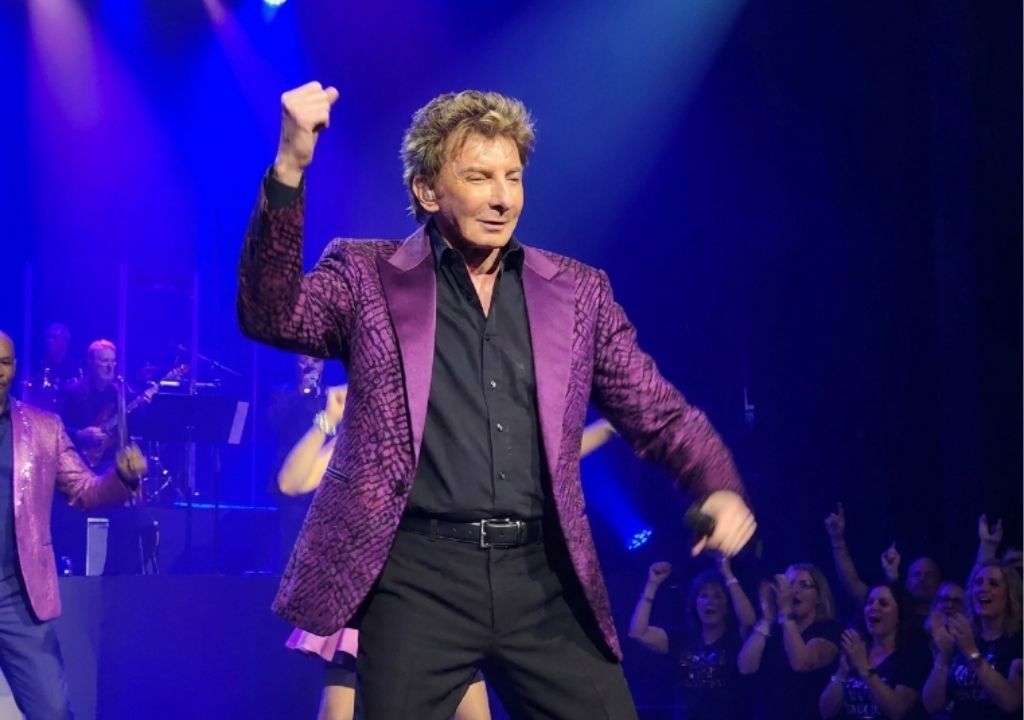
There is a rare kind of magic that belongs exclusively to the showmen of yesteryear, a golden thread of theatrical brilliance that Barry Manilow has spent his entire career spinning. When we think of the late 1970s and early 1980s, our minds often drift to the standard synth-heavy pop or the dying embers of disco. Yet, Manilow always stood apart as a time traveler, an artist who could effortlessly bridge the gap between contemporary airplay and the grand, brass-heavy traditions of mid-century American entertainment. “Dancin’ Fool” is a magnificent testament to this unique gift, serving as an explosive explosion of joy that feels less like a recorded track and more like a front-row seat at a bustling, smoky swing club from the 1940s.
From the very first downbeat, the song wraps you in a thick, vibrant atmosphere of pure showbiz adrenaline. The brass section doesn’t merely play; it roars to life with a racy, syncopated rhythm that demands your absolute attention. Manilow’s opening lines pay direct homage to the jazz royalty that paved the way, explicitly name-dropping Count Basie and instantly establishing the track’s historical DNA. This isn’t just pop music; it is a living, breathing celebration of big band tradition, reimagined through the lens of a modern master of melody. The lyrics paint a vivid cinematic picture of someone escaping the mundane, choosing the exhilarating chaos of the dance floor over a quiet stool at a sleepy cafe.
What makes “Dancin’ Fool” so profoundly endearing after all these decades is its celebration of uninhibited escapism. Manilow sings with a wonderful, infectious grin that you can practically hear through the speakers, embodying a character who happily sheds all social constraints to become a servant of the rhythm. When he sings about smooth satin moves and references the timeless elegance of Fred Astaire, he isn’t just daydreaming—he is inviting the listener to step into that tuxedo, to forget the heavy burdens of tomorrow, and to live completely within the safety of the melody. It highlights the vintage era when music was designed to be an immersive physical experience, a collective celebration where the band and the crowd shared the exact same heartbeat.
As someone who has spent a lifetime listening to the evolution of popular music, tracks like this feel like an essential anchor. They remind us of a time when arrangement required immense human craftsmanship, where every trumpet flare and drum fill had to be perfectly synchronized by masters of their instruments. Barry Manilow’s signature vocal delivery—flawless in its timing, rich in its theatrical phrasing, and endlessly charismatic—elevates the track from a simple novelty into a enduring monument of swing revivalism. It leaves us nostalgic for an era of entertainment that refused to take itself too boringly serious, choosing instead to paint the world in bright, sparkling colors of brass and rhythm.