Introduction
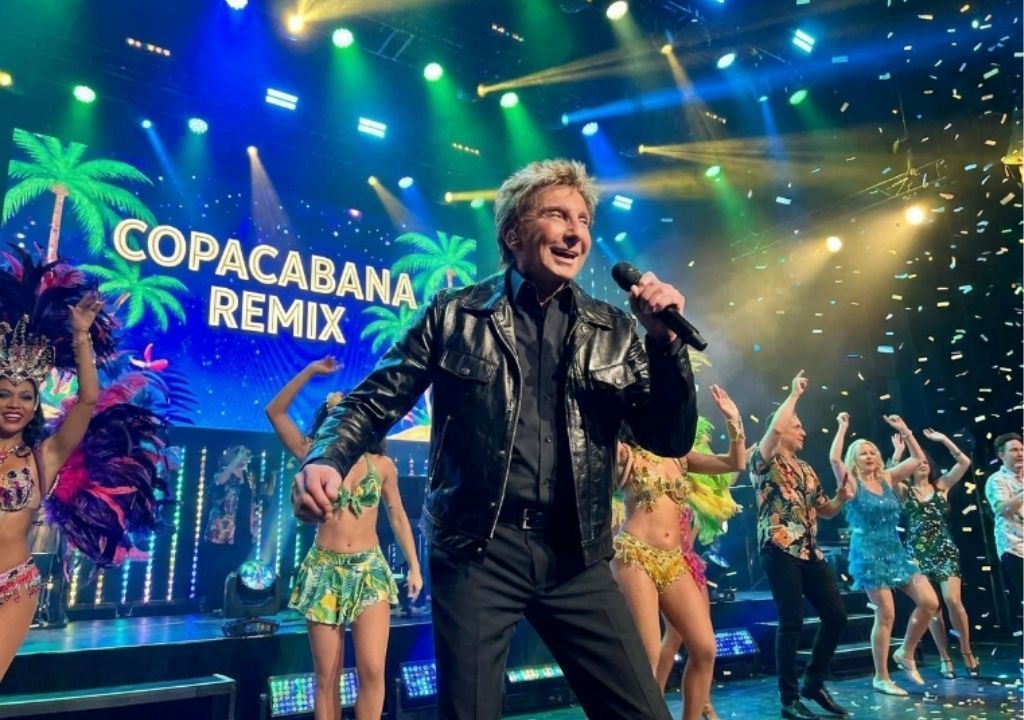
The atmospheric production immediately transports the listener to a bygone era of glamour and tragedy. Written alongside lyricists Bruce Sussman and Jack Feldman, the track introduces us to Lola, a showgirl with feathers in her hair, and Tony, the bartender who loved her. The setting is the legendary New York nightclub, alive with passion and music. Manilow’s arrangement is a masterclass in sonic world-building, blending a traditional big-band horn section with a fierce, driving Latin percussion section. The congas, timbales, and soaring brass lines create an intoxicating tropical heat that mirrors the emotional intensity of the story. It is a stunning display of mid-career craftsmanship, showcasing Manilow’s unique ability to merge the sophisticated structure of theatrical storytelling with the commercial appeal of top-tier pop production.
As the narrative shifts from romance to tragedy, the music maintains its relentless, euphoric rhythm, creating a powerful sense of irony. When Tony confronts the aggressive patron Rico, leading to a fatal gunshot, the listener is caught in a whirlwind of sound. Decades later, the final verse reveals a faded Lola, sitting in the ruins of the closed-down club, drinking herself to half-delirium while wearing her outdated dress. Manilow’s vocal performance throughout this journey is spectacular. He sings with the animated charisma of a true ringmaster, guiding the audience through the glitz of the club before delivering the poignant, cautionary final lines with a touch of profound theatrical sorrow.
Ultimately, the track solidified Manilow’s status as an unparalleled entertainer who defied the rigid boundaries of genre. While purists debated his style, the public fell completely in love with his commitment to pure emotion. It is a song that stays with you long after the final horns fade, reminding us of a time when pop music possessed the courage to tell grand stories.