Introduction
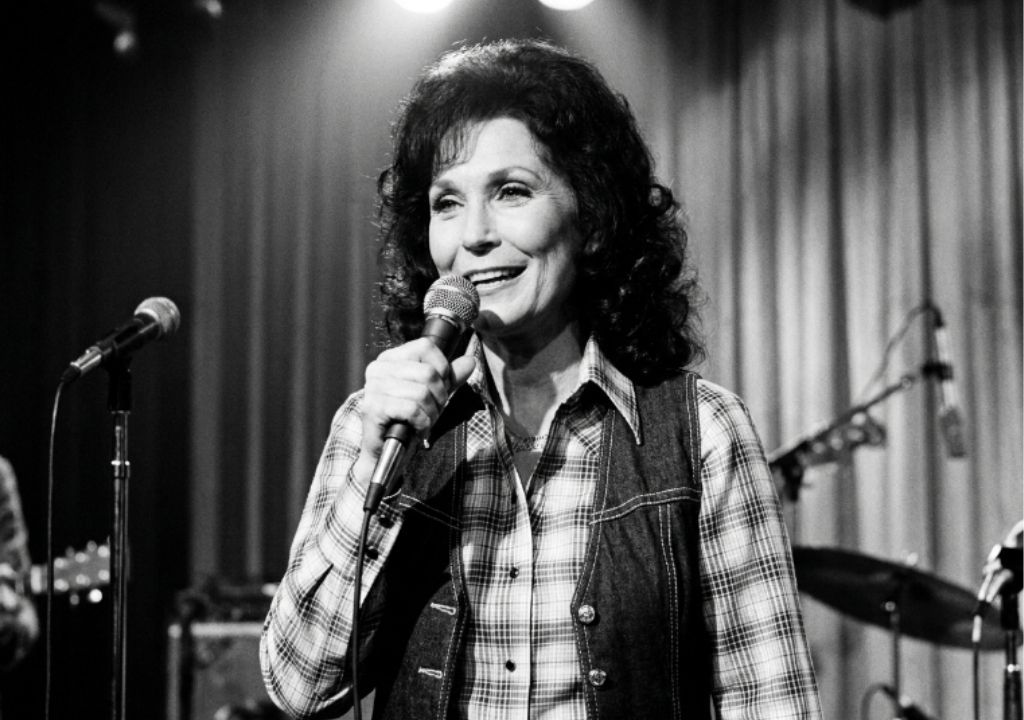
There is a unique kind of melancholy that only classic country music can fully capture—a raw, unvarnished look at the human heart when it is bruised but still beating. In 1966, the airwaves were filled with the twang of steel guitars and stories of working-class heartaches, but few could deliver those stories with the fierce, devastating vulnerability of Loretta Lynn. When she recorded “Someone Before Me,” a song penned by Bob Hicks, she tapped into a universal, unspoken ghost that haunts many relationships: the lingering shadow of a past love.
The atmosphere of “Someone Before Me” immediately transports the listener to a dimly lit honky-tonk at closing time, where the smoke hangs heavy and the amber liquid in the glass mirrors the bittersweet nature of memory. The musical arrangement is a masterclass in mid-century Nashville production, characterized by a weeping pedal steel guitar that acts as a second voice, crying out the sorrow that the lyrics gracefully unfold. The rhythm is steady, mimicking the heavy, reluctant heartbeat of someone who realizes they are playing a secondary role in their own romance. It does not rush; it forces you to sit with the discomfort of its truth.
Loretta Lynn’s vocal performance here is nothing short of transcendent. Known for her feisty, independent anthems where she stands her ground, “Someone Before Me” showcases a different, deeply tender facet of her artistry. She does not sing with anger, but with a profound, aching resignation. Her voice possesses that unmistakable rural clarity and emotional weight, carrying the dust of her Kentucky roots and the lived experience of a woman who understands the complexities of devotion. When she delivers the lines about being loved only because she resembles a ghost from the past, the listener can feel the sharp sting of realization. She sings not just as an entertainer, but as an intimate confidante sharing a secret over a kitchen table.
During the mid-1960s, country music was transitioning into a more polished sound, yet Loretta maintained a fierce dedication to the traditional roots that defined the genre. This track embodies that perfect balance—melodically smooth enough to captivate mainstream audiences, yet emotionally raw enough to satisfy the purists. The song explores the painful dynamic of trying to heal a broken heart that belongs to someone else, only to find yourself broken in the process. It is a cinematic portrayal of emotional displacement, painting a vivid picture of a woman standing in the doorway of a lover’s heart, knowing she is merely a guest while someone else holds the key. Decades later, the song remains a timeless testament to Loretta Lynn’s unmatched ability to turn simple words into a profound exploration of human vulnerability.