INTRODUCTION
In the crisp autumn of 1966, country music programmers across the United States opened a seven-inch vinyl single that would permanently fracture the industry’s domestic illusions. The track was a blunt, acoustic confrontation aimed squarely at the era’s normalized masculine privilege. At a time when southern airwaves demanded that female artists project submissive, domestic piety, an Appalachian-born mother dared to lock the front door against patriarchal entitlement. The immediate reaction from conservative commentators and traditional men’s civic associations was swift and fiercely defensive. They characterized the lyrics as a dangerous assault on the American family unit, attempting to suppress its distribution. Yet, this institutional outrage failed to recognize that the cultural tide had already turned. The controversy did not silence the artist; instead, it ignited a massive socio-political conversation, transforming a deeply personal grievance into an unshakeable national movement.
THE DETAILED STORY
The release of the single marked a critical fault line in American cultural history. On 10/22/1966, Decca Records serviced the track to radio stations, immediately igniting firestorms within traditionalist enclaves. For decades, country music had quietly excused the archetype of the hard-drinking, unfaithful husband while expecting wives to endure in silent martyrdom. The artist completely dismantled this double standard in less than three minutes, explicitly rejecting intoxicated marital intimacy.
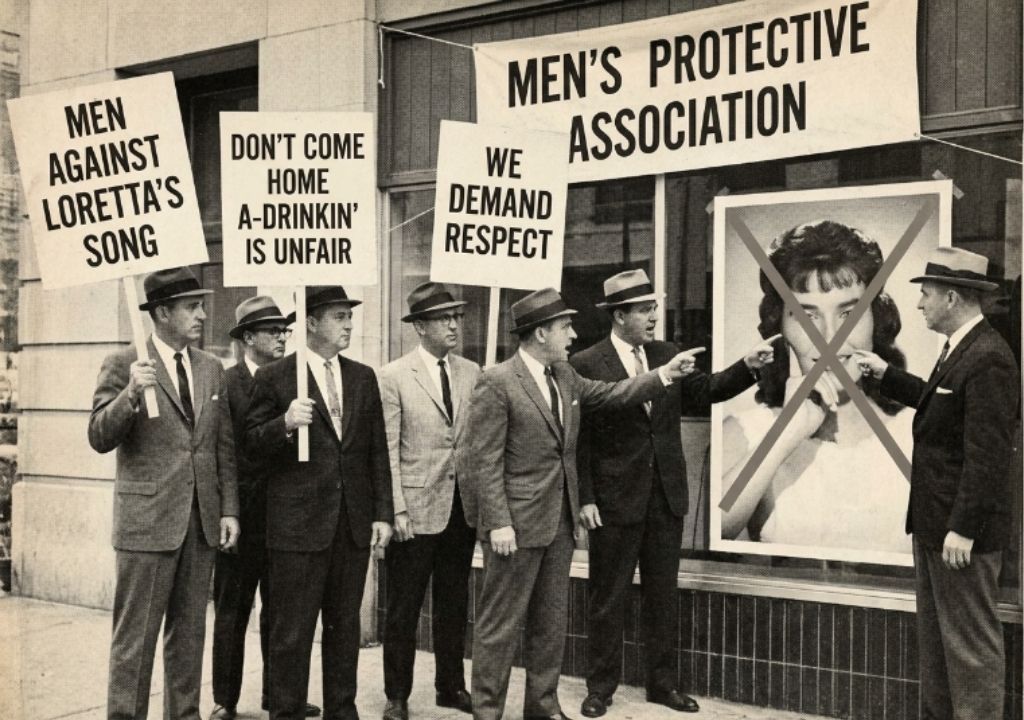
The backlash from male-dominated civic organizations and conservative radio executives was immediate. Several major Southern stations instituted outright bans, refusing to broadcast what they labeled an inappropriate disruption of marital harmony. Commentators in contemporary entertainment trade journals argued that the song crossed a line into vulgar domestic insubordination. Opponents claimed that the lyrics monetized the degradation of traditional family values, expressing deep concern that such rhetoric would inspire widespread domestic rebellion among housewives across the nation.
However, the attempt to suppress the record backfired. Waves of consumer demand galvanized an immense, previously unrepresented demographic of working-class women. According to historical tracking by Billboard, the single rapidly climbed the charts despite aggressive gatekeeping, and Loretta Lynn eventually triumphed. The record officially captured the top chart position on 02/11/1967, making her the first female country artist to achieve a certified gold album under the RIAA, a monumental commercial feat that generated hundreds of thousands of dollars in revenue for her label.
The narrative architecture of the track proved that authenticity was far more lucrative than forced conformity. While male traditionalists viewed the song as a threat to their authority, the broader public recognized it as a courageous declaration of bodily autonomy and mutual respect. Hollywood Reporter retrospectives later noted that the fury surrounding the release ultimately solidified her legacy as a trailblazing cultural journalist of the American working class. By confronting the establishment head-on, she opened the floodgates for honest social commentary, proving that the truth could never be banned from the airwaves.