Introduction
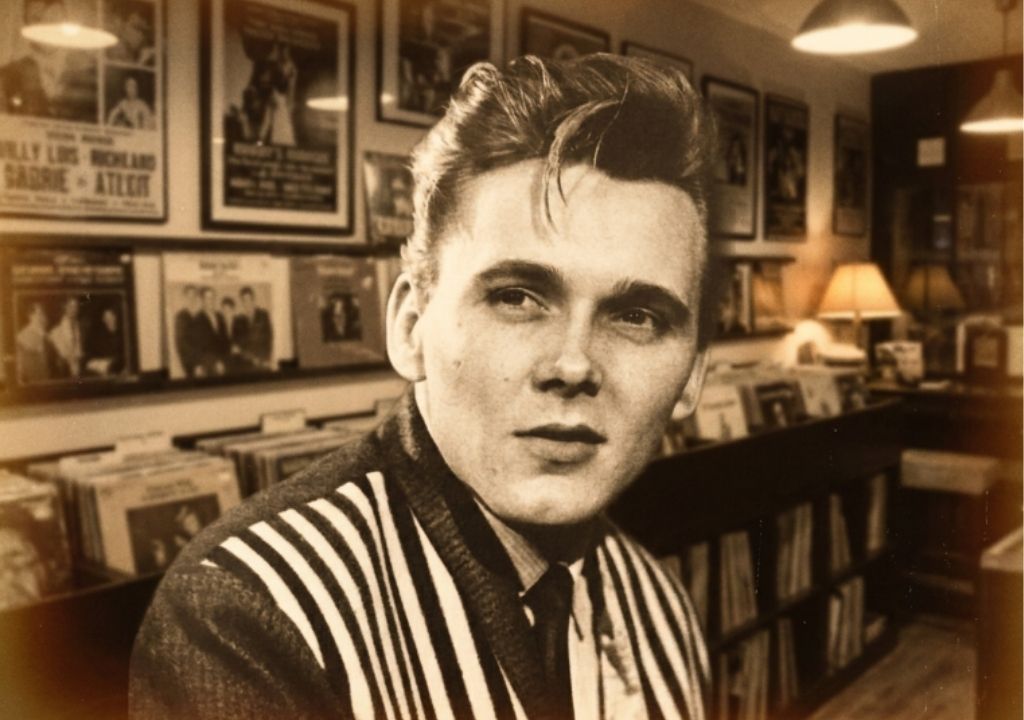
To truly understand the late 1950s and early 1960s British music scene, one must step away from the polished television studios and dive into the rain-slicked, shadowy world of early rock and roll. Before the Merseybeat boom and the British Invasion rearranged the global cultural landscape, there was a brief, magical window where British youth captured something intensely raw, vulnerable, and deeply authentic. At the absolute epicenter of this brief era stood a young man from Liverpool named Ronald Wycherley, whom the world would come to revere as Billy Fury. His 1960 masterpiece, “You Don’t Know,” released as the flip side to the hit single “That’s Love,” stands as a haunting testament to an era of leather jackets, jukeboxes, and genuine adolescent angst.
“You Don’t Know” is not merely a song; it is a vivid cinematic snapshot of unrequited love and silent desperation. While many of his contemporaries in the UK scene were content with mimicking American rockabilly acts with theatrical bravado, Fury brought an entirely different gravity to the microphone. The track captures a brooding atmosphere that feels incredibly intimate, almost as if the listener is eavesdropping on a private confession in a deserted alleyway. The narrative of the lyrics addresses the agonizing gulf between two souls—the crushing weight of loving someone completely while realizing that they remain entirely oblivious to the depth of your devotion.
What elevates “You Don’t Know” into the pantheon of classic mid-century ballads is Fury’s extraordinary vocal delivery. Afflicted with rheumatic fever as a child, Fury possessed a literal and figurative fragility that set him apart from his peers. He did not just sing about heartbreak; he inhabited it. His voice glides between an Elvis-inspired sultry swagger and a desperate, fragile tremor that feels as though it might break at any second. Supported by a minimalist arrangement—a pulsing bass line, sparse and stinging guitar licks, and a hauntingly clean production style pioneered by legendary producer Jack Good—the song eschews the over-produced string arrangements common in pop music of the period. Instead, it relies entirely on atmosphere and emotional honesty.
This specific style of rockabilly balladry helped define the foundational sound of early British rock. Listening to “You Don’t Know” today is like opening a time capsule to a world of monochromatic youth culture, where every look mattered and every sigh was amplified by the echo chambers of Decca Studios. It serves as a reminder that before the world became loud, fast, and multi-colored in the mid-sixties, there was a profound, aching beauty in the quiet melancholy of artists like Billy Fury. He proved that British rock and roll could possess its own unique soul—one deeply rooted in working-class romanticism and beautiful, everlasting heartbreak.