Introduction
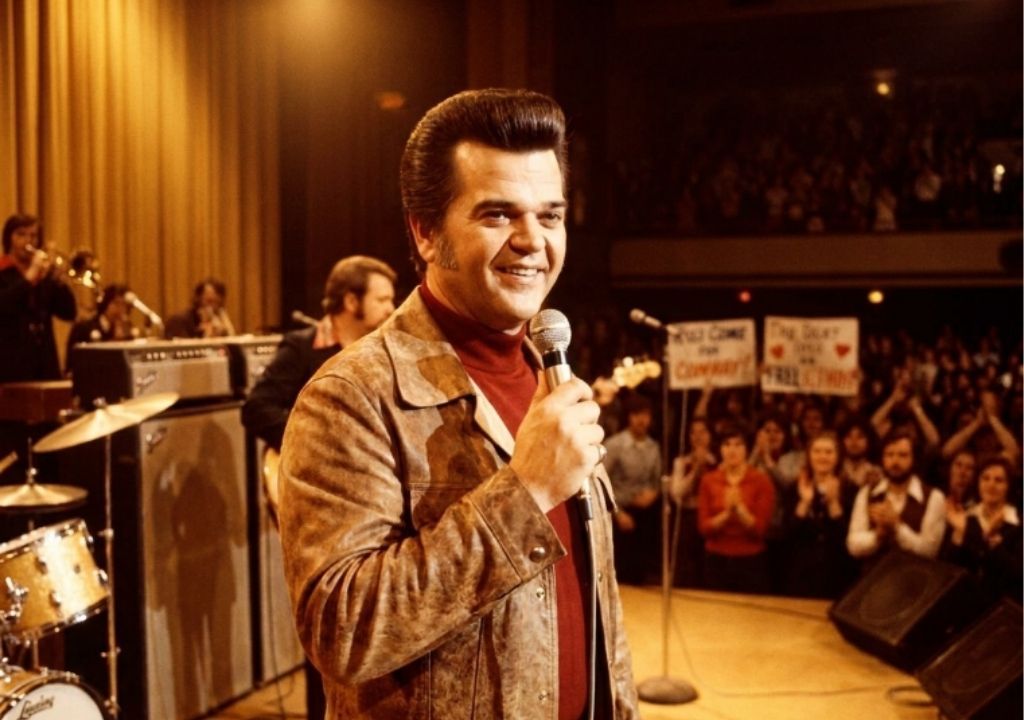
There is a distinct, bittersweet magic that occurs when a master of musical storytelling takes an established classic and completely redefines it for a new generation. When Don Gibson first penned “I Can’t Stop Loving You” in the late 1950s, he captured an enduring, universal truth about the stubbornness of human affection. Yet, when Conway Twitty stepped into the recording studio in 1972 under the watchful, brilliant guidance of legendary producer Owen Bradley, the song transformed from a simple country lament into a sweeping, cinematic masterpiece of country-politan grandeur. Twitty, a man whose very name became entirely synonymous with the deep, rumbling depths of romantic yearning, infused the track with a specialized blend of raw honky-tonk sincerity and lush, modern orchestration that immediately resonated with millions of listeners across the globe.
To understand the profound impact of Conway Twitty’s version, one must submerge themselves completely in the distinct sonic landscape of early 1970s Nashville. This was a transitional era where country music was gracefully shedding its rough-hewn, rural edges without sacrificing a single ounce of its emotional core. The arrangement opens with a delicate, weeping steel guitar that hangs in the air like tobacco smoke in a dimly lit tavern, quickly joined by smooth, sweeping string sections that elevate the melody into something deeply theatrical. This specific contrast is precisely where Twitty thrived as an artist. His early background in rock and roll gave him an inherent, masterful understanding of dramatic tension, allowing him to navigate the soaring heights of the chorus with an effortless power that few of his contemporaries could ever hope to replicate.
What truly separates Twitty’s rendition from previous iconic interpretations is the sheer, unadulterated vulnerability of his vocal delivery. Conway did not just sing a lyric; he fully inhabited the emotional weight of it. When he delivers the opening lines about making up his mind to live in the memories of old lonesome times, his voice carries a rich, gravelly resonance that feels entirely genuine. It is the unmistakable sound of a grown man coming to terms with an unyielding, unrequited devotion. His signature vocal growls and perfectly timed pauses create an overwhelming sense of intimacy, making every single listener feel as though they are eavesdropping on a private confession spoken in the quiet hours after midnight.
Decades later, this recording remains a towering monument to a golden era of analog music production. It serves as a beautiful reminder of a time when musical greatness was measured by the depth of a performer’s soul and the absolute honesty of their expression. For those who love vintage sounds, spinning this 1972 classic is like opening an old leather-bound photo album. It evokes an intense, overwhelming nostalgia for an era when the airwaves were filled with genuine stories of love, loss, and the beautiful, tragic, enduring nature of the human heart.