INTRODUCTION
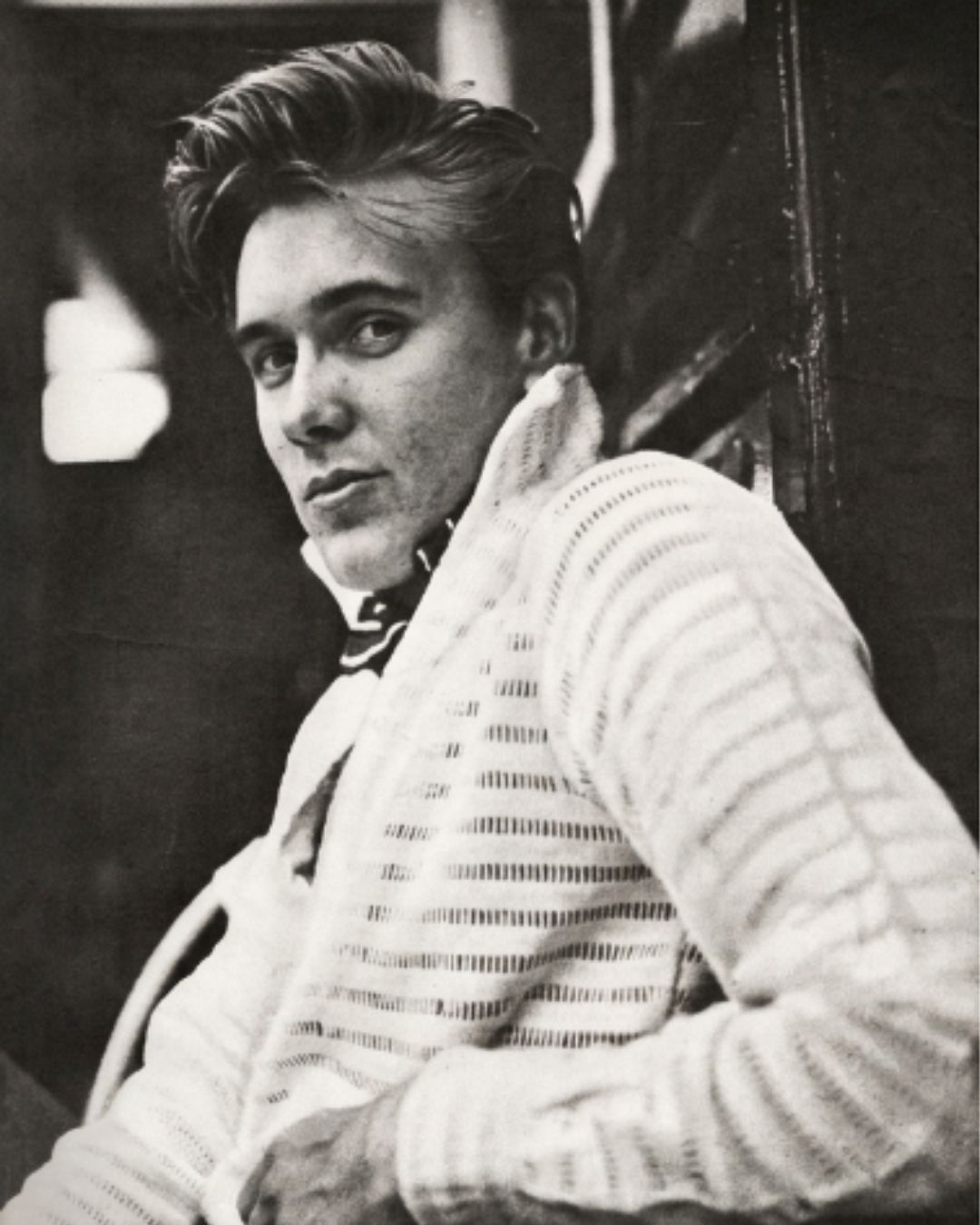
In the damp postwar streets of Liverpool, a fragile young boy named Ronald Wycherley spent his childhood confined to isolated hospital wards rather than playing with peers. At just seven years old, a severe bout of rheumatic fever fundamentally altered the trajectory of his life, leaving him with a permanently compromised cardiovascular system. As his mother anxiously watched by his bedside, local medical professionals delivered a devastating prognosis that felt like an absolute death sentence. Doctors explicitly warned that the boy’s heart was far too weak to sustain the natural demands of growth, confidently predicting he would pass away before reaching his sixteenth birthday. This terrifying biological expiration date cast a profound, perpetual shadow over his formative years, forcing an exceptionally shy child to quietly reckon with his own immediate mortality long before he ever discovered the healing power of music.
THE DETAILED STORY
Against every bleak medical expectation, the young Liverpudlian defied his childhood death sentence, crossing the critical sixteen-year milestone that doctors believed he would never see. Though his heart remained permanently scarred from the recurrent ravages of the illness, the internal awareness of his limited time transformed him into a uniquely introspective individual. Instead of breaking his spirit, this heavy psychological burden sparked a profound artistic awakening. He began pouring his private vulnerabilities into songwriting, translating the constant, haunting proximity of illness into beautifully haunting melodies.
His life completely shifted on 10/01/1958, when the teenage worker took a ferry across the Mersey to meet pop impresario Larry Parnes at the Essoldo Theatre. Recognizing an extraordinary, raw emotional depth, Parnes immediately signed him and transformed Ronald Wycherley into Billy Fury. When his self-penned debut single “Maybe Tomorrow” entered the charts in February 1959, audiences were instantly captivated by a vocal delivery that felt distinctly more mature, yearning, and authentic than his contemporaries. The underlying melancholy in his signature hits was not a manufactured marketing tactic; it was a genuine reflection of an artist who knew every breath was a hard-fought victory.
Throughout the peak of his career, Fury achieved massive commercial success, spending an astonishing 332 weeks on the charts. Fellow musicians frequently remarked on his gentle, reserved demeanor offstage, which contrasted sharply with his charismatic, commanding presence under the spotlight. He performed with an intense passion, secretly managing his chronic physical exhaustion while refusing to let health limitations dictate his artistic boundaries. Although his compromised heart ultimately caught up with him on 01/28/1983 at the age of 42, his triumphant journey proved that a medical curse could be channeled into timeless creative power. By entirely outliving his original grim prognosis by twenty-six years, Billy Fury solidifies his legacy not as a tragic victim of childhood illness, but as an enduring symbol of resilience who turned a countdown into a masterpiece.