Introduction
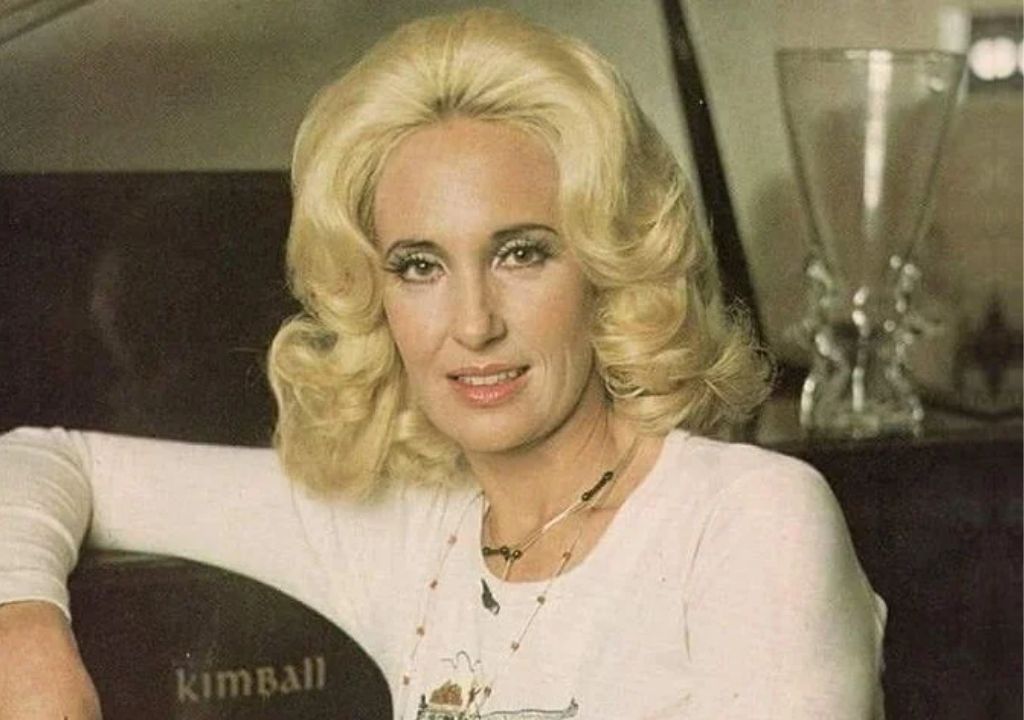
The mid-twentieth century was a transformative epoch for country music, a period when the genre migrated from the dusty fringes of rural radio stations straight into the heart of mainstream American culture. At the epicenter of this sonic revolution stood Nashville, Tennessee, where producers like Billy Sherrill were pioneering a more sophisticated, orchestral approach to country instrumentation known as the Nashville Sound. Yet, no matter how lush the string arrangements or how polished the studio productions became, the soul of country music remained anchored to raw, unvarnished human truth. In July of 1967, a young singer from Mississippi named Virginia Wynette Pugh—known to the world as Tammy Wynette—released a single that would forever alter the landscape of domestic storytelling in popular music. That song was “I Don’t Wanna Play House.”
Before “I Don’t Wanna Play House” ascended to the top of the Billboard Country charts, marking Wynette’s very first number-one single as a solo artist, songs about marital discord and broken homes were often treated with a degree of cautious detachment or moralizing. However, what Billy Sherrill and Glenn Sutton crafted in this lyric, and what Tammy Wynette brought to life with her breathtaking vocal delivery, was a devastating psychological portrait of divorce seen entirely through the innocent eyes of a child. The narrative avoids the typical adult recriminations of infidelity or financial ruin; instead, it eavesdrops on a mother overhearing her young daughter talking to a neighbor boy on the playground. The little girl flatly refuses to engage in the standard childhood game of “make-believe matrimony” because her only frame of reference for a household is one of abandonment, tear-stained pillows, and packed suitcases.
What makes this recording resonate so profoundly across the decades is the sheer emotional texture of Tammy’s voice. Critics and historians often talk about the famous “tear” in Wynette’s vocals—a natural, involuntary catch in her throat that conveyed an immediate, unmistakable intimacy. When she sings the perspective of the mother listening to her child’s heartbreaking declaration, she isn’t just performing a melody; she is inhabiting a deep, generational wound. The stark contrast between the bright, swinging rhythm of the music and the profound bleakness of the lyrical content creates a brilliant, haunting tension. Backed by the weeping sighs of the pedal steel guitar and the gentle padding of the studio percussion, Wynette’s voice pierces through the gloss to remind us that children are the quietest observers of our deepest failures.
Listening to this masterpiece today provides a vivid window into an era when country music began to bravely hold up a mirror to the changing social fabric of America. In 1967, divorce rates were rising, and the idealized nuclear family of the post-war era was beginning to show its cracks. Tammy Wynette became the definitive voice for millions of women who saw their private heartaches validated on the airwaves. Winning the 1968 Grammy Award for Best Female Country Vocal Performance for this track was not merely a recognition of her technical prowess, but a validation of her status as an empathetic storyteller who spoke for the silent and the suffering. Decades after its release, “I Don’t Wanna Play House” remains an unforgettable monument of country songwriting, a cinematic and deeply moving reminder that the games children play are often reflections of the worlds we build for them.